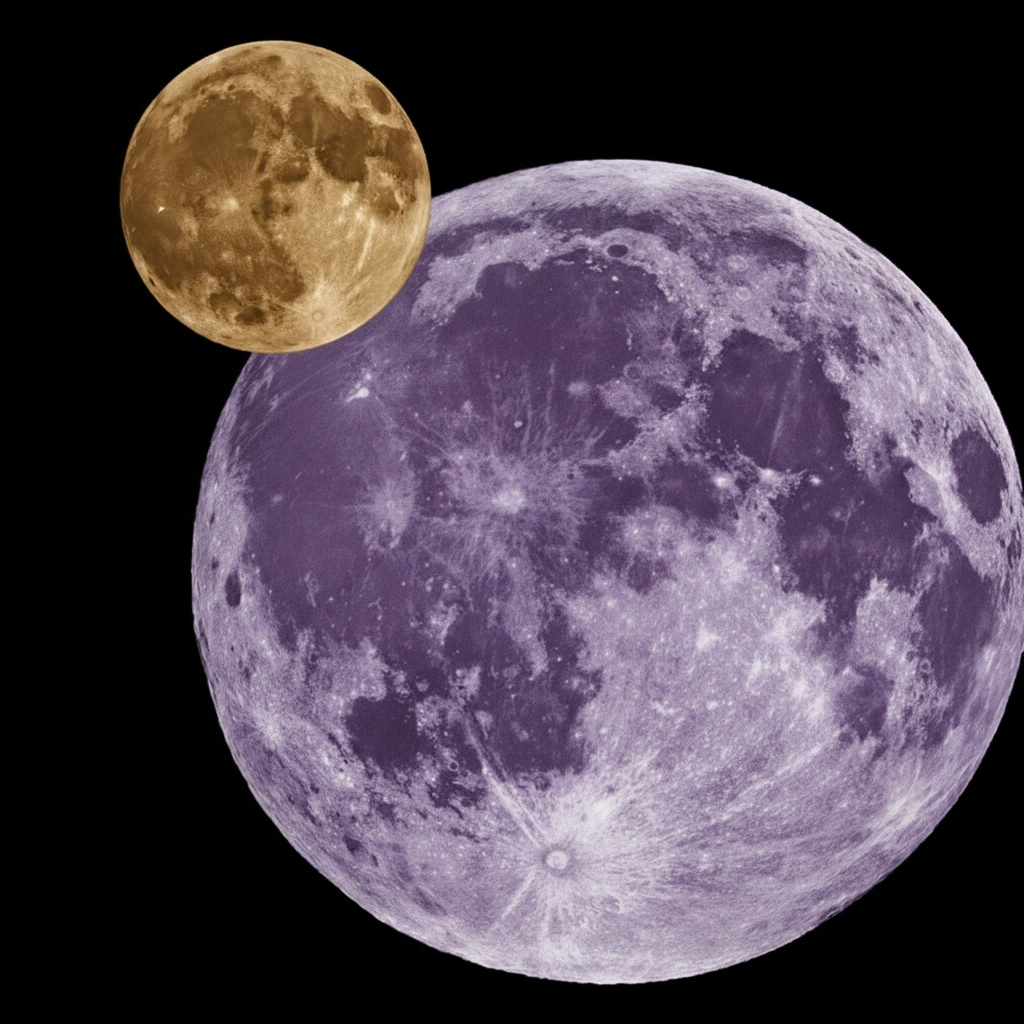
Scorval Blight
Scorval Blight is a land that survived by refusing to heal. Once a fertile frontier, Scorval was irreversibly altered during the Shattering when resonance storms poisoned soil, memory, and flesh alike. What remains is a scarred region of blackened fields, warped ecosystems, and settlements that endure through stubborn adaptation rather than hope of restoration.
To outsiders, Scorval appears ruined and hostile, a place best avoided. To its people, it is home, shaped by loss but not defined by surrender. Life persists here in altered forms, and those who endure the Blight learn quickly that survival requires honesty about limits.
Scorval does not pretend it can be cured. It proves that something broken can still function.
Geography & Travel
Scorval Blight occupies a broad, sunken basin of damaged lowlands, enclosed by fractured ridges, broken shelves, and the remnants of river systems that no longer function as drainage. Rather than a single continuous wasteland, the Blight is divided into irregular contamination cells, each shaped by how corruption pooled, spread, or stalled after the initial collapse. Some zones remain relatively inert, while others shift subtly from week to week.
The land itself bears visible strain. Vegetation persists only in distorted forms, growing in asymmetrical clusters or unfamiliar geometries, while the soil exhales faintly toxic vapors that thicken or thin depending on temperature and pressure. Old waterways now serve as channels for corruption rather than water, guiding its movement across the basin in ways that are difficult to predict from the surface.
Travel through Scorval is possible but tightly regulated. Safe routes are maintained through constant monitoring and are marked with warning pylons, bone-signs, and alchemical flags whose colors and textures change in response to contamination levels. These paths are provisional by design. A route that is passable one week may be sealed the next, and outdated markers are treated as hazards themselves.
Dangers are both environmental and metaphysical. Toxic spore clouds can form without warning, weakened ground may collapse into corrupted sinkholes, and resonance flare zones intermittently ignite where exposure can permanently alter body, memory, or both. In Scorval Blight, the greatest risk is not sudden catastrophe, but slow miscalculation, remaining in a place just long enough for the land to decide you belong to it.---
People & Culture
Scorval’s people are pragmatic, resilient, and unsentimental. Survival has stripped away illusions, leaving a culture that values preparation, mutual aid, and clear boundaries.
Communities are small and fortified, often built on raised platforms or mobile frames that can be relocated if the land becomes too dangerous. Children are trained early in contamination awareness and emergency response.
Outsiders sometimes see Scorval folk as cold or grim. In truth, they are deeply compassionate, but selective. Trust is extended carefully, because mistakes here are fatal.
Power & Politics
Scorval Blight has no unified government. Authority exists through a network of Containment Councils, each responsible for monitoring, enforcing, and responding to local threats.
Power is measured by competence. Those who can identify new corruption, stabilize flare zones, or evacuate settlements are listened to. Titles mean little if they do not come with proven skill.
External factions struggle to gain influence in Scorval, as control requires direct exposure to risks few are willing to accept.
Trade & Resources
Despite its dangers, Scorval produces materials found nowhere else:
- Corruption-adapted fungi and plants
- Alchemical reagents derived from altered soil
- Protective gear and containment techniques
- Firsthand knowledge of resonance damage
Imports are critical to survival:
- Clean food and water
- Medical supplies
- Replacement materials for failed structures
Trade contracts with Scorval include extensive hazard clauses and assume loss as a possibility rather than an exception.
Faith & Folklore
Faith in Scorval is subdued and practical. Shrines honor endurance, vigilance, and sacrifice rather than salvation. Many believe that reverence must be earned through action rather than prayer.
A widespread legend speaks of the Quiet Bloom, a mythical growth said to appear only when corruption has reached its final limit. Some believe it represents renewal. Others fear it signals the end of all containment.
Rituals often focus on remembrance, naming those lost so they are not erased by the Blight’s distortions.
Threats & Conflicts
Scorval faces constant and escalating dangers:
- Expansion of corruption zones into previously stable regions
- Breakdown of containment infrastructure
- Smugglers trafficking corrupted materials without safeguards
Internally, debate grows over whether containment is enough, or whether controlled expansion could be harnessed for defense or power.
Adventure Hooks
- A containment line fails, and a settlement must be evacuated before corruption spreads.
- A council hires the PCs to investigate a newly emerged flare zone showing signs of intelligence.
- A faction offers to pay for a shipment of corrupted materials that should never leave Scorval.
- A long-abandoned research site begins transmitting distress signals.
- A survivor claims the Quiet Bloom has appeared, and wants witnesses before it vanishes.