The Age of First Breath
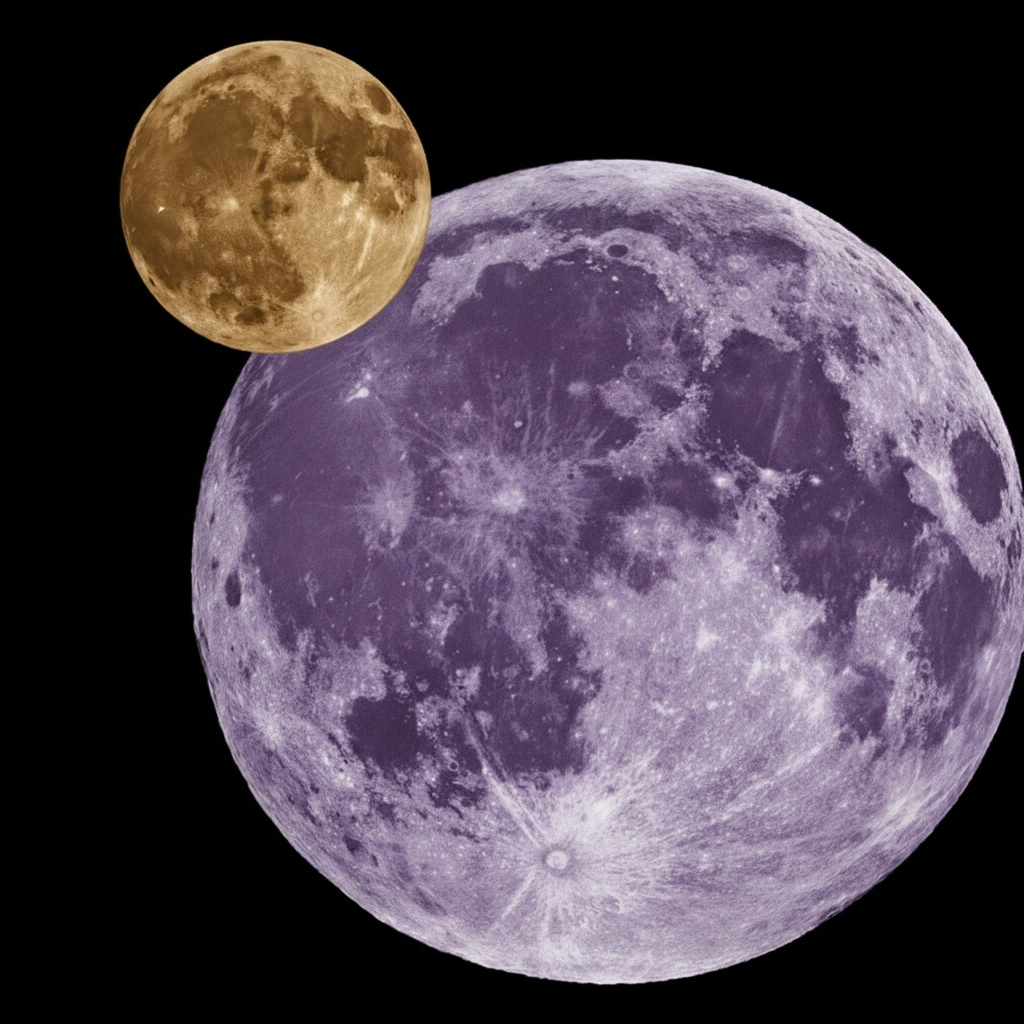
The Age of First Breath marks the dawn of Velthuryn as a living world. In this era, Solivar first flared into rhythm, illuminating the firmament and drawing the twin moons into their eternal dance. Elemental currents (root, tide, flame, stone, and storm) flowed freely and without boundary, shaping continents, seas, and skies in vast, unrestrained motions.
Life emerged not as nations or peoples, but as resonant expressions of place. Mountains learned to remember. Forests dreamed. Seas carried intention as well as tide. The first primordial kin awakened during this age, bound more closely to land and force than to any fixed form or lineage.
Time in the Age of First Breath is remembered imperfectly, preserved only in myth, stone-song, and the deep memories of the world itself. No calendars were kept, no borders drawn. What endures from this era is not history, but inheritance: the rhythms and resonances that still underpin all magic, matter, and motion in Velthuryn.
Solivar's First Flare
The Awakening of the Primordial Kin
The Second Flare of Solivar
The Age of Glass and Grief
The Age of Glass and Grief began with the Shattering, an epochal calamity in which resonance across Velthuryn collapsed into violence and contradiction. Oaths rewrote themselves mid-vow, rivers abandoned their courses, forests tore free from the soil, and storms learned to think. Beneath the Stonewail Rise, a catastrophic wound tore open in reality, forming what would come to be known as the Aethergrave.
Griefglass fell from the sky in shimmering sheets, altering the atmosphere itself and embedding loss, memory, and distortion into the world’s very breath. Entire regions were transformed or erased. Peoples scattered, traditions fractured, and the land itself became unstable, dangerous, and unpredictable.
This age is remembered as one of mourning and survival. Yet it also forged the foundations of modern Velthuryn. In learning to endure resonance unbound, the peoples of the world began to develop the first covenants, bindings, and cultural responses that would later allow civilization to take root.
The Admissibility Doctrine
The Fall of Griefglass
The Great Course Reversion
The Great Scatter
The Griefglass Choir
The Opening of the Aethergrave
The Shattering
The Village That Never Advanced
The Age of Silent Echoes
In the Age of Silent Echoes, the world did not heal but it learned to hold. Resonance storms still raged and scars from the Shattering remained open, yet catastrophe became episodic rather than constant. The great upheavals faded into background threats, allowing memory, culture, and identity to re-coalesce.
During this era, early courts, clans, academies, and strongholds emerged. Forest realms reorganized around memory-groves, stonebound peoples etched law into living rock, and nomadic cultures codified survival into oath and tradition. Knowledge became a shield against recurrence, and history itself began to be deliberately preserved.
The echoes of the Shattering were still felt everywhere, in ruins, in altered bloodlines, in places where reality rang hollow, but this was an age of stabilization and meaning-making. The peoples of Velthuryn began to see themselves not merely as survivors of disaster, but as stewards of a wounded world.
Founding of the Codex Wardens
Founding of the Concord of Sparks
Ratification of the River Compact
Settlement of the Resonant Faults
The Blighting
The Deep Bloom Consolidation
The Firebound Oaths
The First Ascendant District Raised
The First Ascents
The First Aurexian Survey Charter
The First Echo Tablets
The First Great Wrecks
The First Grove Accord
The First Songs of Passage
The Forging of the Stone Concord
The Forgotten State
The Marcher Compacts
The Nameless Court
The Rise of Courts, Clans, and Academies
The Stabilization of Resonance Storms
The Concordic Age
The Concordic Age marks the formal beginning of recorded history in Velthuryn. With the ratification of the First Concordic Assembly, the major powers of the world established shared frameworks for law, diplomacy, trade, and timekeeping. Calendars were standardized, treaties inscribed, and the concept of international accord took root.
This era saw the rise of codified resonance practices, legal constraints on dangerous magic, and the formal recognition of borders and sovereign states. Reconstruction flourished alongside cautious innovation, guided by the collective memory of the Shattering’s devastation.
Though conflicts did not vanish, they were increasingly constrained by treaty and precedent. The Concordic Age is remembered as a time of rebuilding, cooperation, and cautious optimism, an attempt to ensure that no single power, philosophy, or experiment could ever again fracture the world so completely.
This begins with year 0 and extends to year 274
The First Concordic Assembly
The First Concordic Lie
The Trials of Binding
First Surface Observation
Founding of the March Assembly
Founding of the Resonance Engineering Guilds
Formation of the Containment Councils
Formation of the Chain Council
Ratification of the Graven Accords
The Refusal of Fixed Borders
The Refusal of Permanent Roads
Adoption of the Containment Exemption Doctrine
The Standard Road Decree
The Seventh Accord
Construction of the High Canopy Spires
The Long Descent Begins
Dissolution of Central Governance
The Whispered Binding to the Seventh Accord
The Age of Fractured Accord
The Age of Fractured Accord began when ambition outpaced restraint. Concordic law remained in force, but its spirit weakened as innovation, expansion, and competition intensified. Advances in resonance engineering, industrial craft, and theoretical magic reshaped societies faster than shared governance could adapt.
Catastrophes returned with localized disasters with far-reaching consequences. Industrial infernos, arcane accidents, ideological schisms, and resource conflicts eroded trust between states. Treaties fractured under pressure, and long-standing alliances began to strain or collapse.
This age is defined by tension: between progress and safety, autonomy and responsibility, memory and ambition. Though the world did not break again, many feared it might. The foundations of modern unrest were laid here, as old safeguards proved insufficient for a rapidly changing Velthuryn.
THis era begins in 275 and runs to year 424.
The Fizz-Fume Inferno
The Smugglers’ Surge
The Overreach Campaigns
The Breach Seasons
The Sky Shear Incidents
The Supply Chain Inquiry
The Memory Drift
The Scholar Who Proved Time Can Break
The Cracked Anchors
The Ember-Titan’s Heart Still Beats
The Long Watch Mobilization
The Tidal Schism
The Levee Debate
The Prism Dispute
The Quiet Nullification
The Split Record Crisis
The Modern Age (Era of Resonant Unrest)
The Modern Age is an era of unresolved echoes. Resonance instability is no longer an anomaly but a constant presence manifesting in drifting forests, deepening chasms, fractured legal systems, and weapons scarred by ancient power. The Aethergrave stirs once more, and phenomena thought contained or understood show signs of resurgence.
Political structures endure, but confidence in them wanes. Knowledge expands faster than consensus. New generations inherit both the triumphs and the unfinished mistakes of the past, often without clear guidance on how to reconcile them.
This is an age poised on the edge of consequence. Whether Velthuryn will find renewed balance, fracture further, or transform into something unrecognizable remains uncertain. History is no longer distant, it is actively unfolding.
This era begins in year 425.